No heat or no cooling right now? The emergency line is answered by a person, 24 hours a day, every day of the year. Call 000-000-0000
Replacing a furnace is not a like-for-like swap, and the places people get hurt are the ones you cannot see. A ninety-percent-efficient furnace vents cool, wet exhaust through plastic pipe rather than hot exhaust up a masonry chimney — and if that chimney was also carrying a water heater, taking the furnace off it can leave the water heater unable to draw properly. That is a carbon monoxide problem created by an efficiency upgrade.
So we survey the whole system, not the appliance. Venting, combustion air, gas line capacity, the chimney and whatever else is connected to it. Then we size it, install it, and prove it works with instruments.
What a correct furnace installation involves
All of this is in the written quote. None of it is an extra that appears once the old unit is out and you have no heat.
Heat loss calculation
Manual J on your building. Oversized furnaces short-cycle, swing the temperature, wear the heat exchanger and cost more to run — and almost every furnace we replace is oversized.
Venting designed and installed to specification
Correct pipe material, diameter, slope, length and termination clearances. Condensing furnaces make acidic condensate, which needs neutralising before it goes anywhere near a cast-iron drain.
The orphaned water heater problem, solved
If taking the furnace off a shared chimney leaves the water heater orphaned, we address it in the same project — a liner, or a direct-vent water heater. We never leave it as your problem.
Combustion air and gas supply
Enough air for combustion, and a gas line and meter with the capacity for the new appliance. Both are checked and both are on the quote.
Condensate handling
Neutraliser, correct pitch, trap, and a pump where gravity will not do it. Acidic condensate into an iron drain is a slow, expensive mistake.
Commissioning with instruments
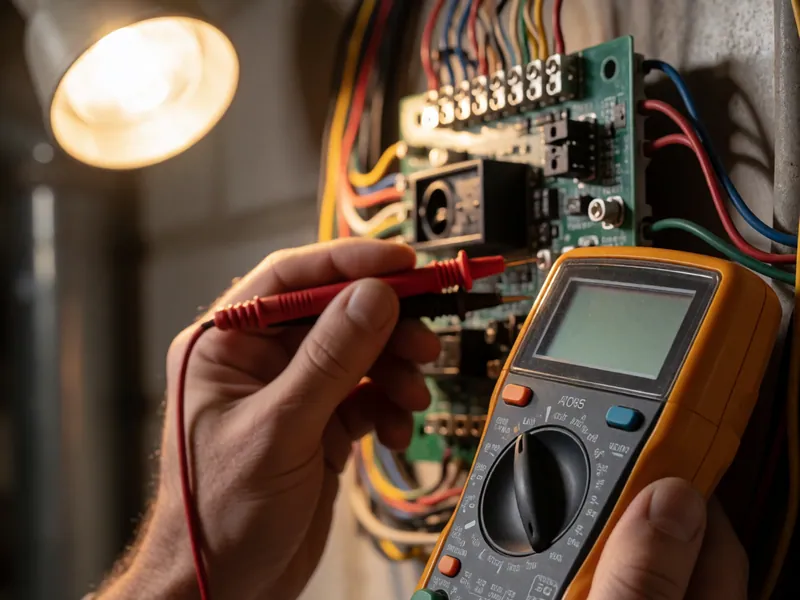
Combustion analysis, gas pressure set to specification, temperature rise measured against the nameplate, static pressure checked. The numbers go on your paperwork.
Choosing the furnace
Efficiency, staging and blower type. Three decisions, and the second and third matter more for comfort than the first.
80% versus 96% efficiency
The condensing furnace costs more and saves roughly a sixth of your gas. Where venting makes condensing difficult, an 80% unit into a properly lined chimney is an honest answer rather than a failure.
Single stage, two stage or modulating
A modulating furnace runs long and low, which is quieter, holds a steadier temperature and dehumidifies better. This is where the comfort difference actually lives.
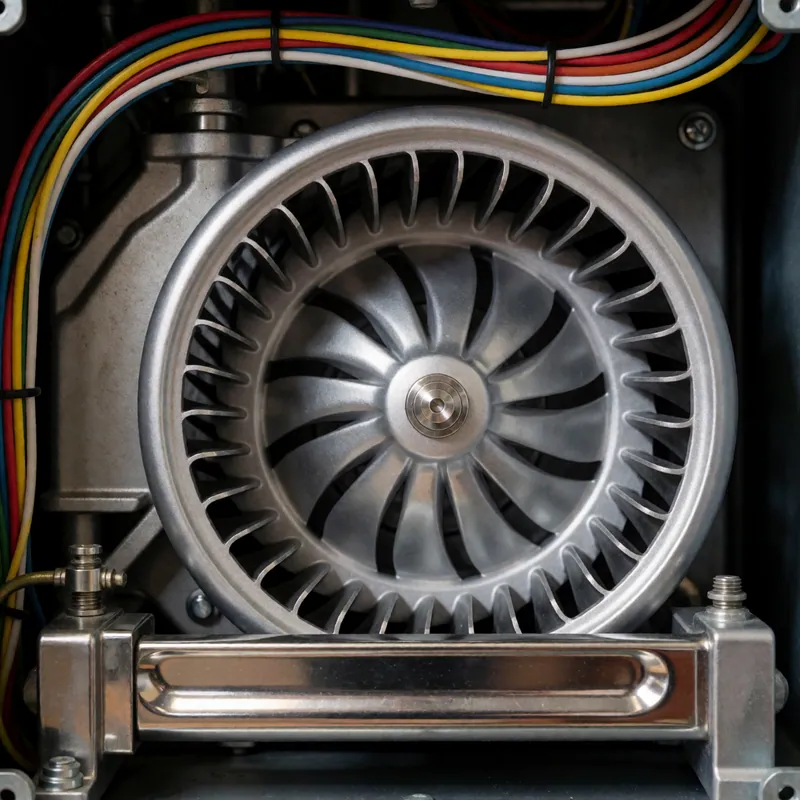
PSC versus ECM blower
A variable-speed ECM blower uses a fraction of the electricity, runs quieter and moves the right amount of air rather than whatever the tap setting gives. Worth it in almost every case.
Matching to a future heat pump
If a heat pump is on your five-year horizon, the furnace we fit now should be able to become the backup half of a dual-fuel system. We plan the controls for it.
Signs your furnace is near the end
Not a scare list. These are the four things that genuinely mean the conversation is worth having before December.
A cracked heat exchanger
Not repairable, and not something to run through a winter. If we find one we will show it to you on a camera rather than asking you to take our word.
Fifteen-plus years and a rising repair count
Two significant repairs in two seasons on an old unit is the system telling you something.
Rooms that never get warm any more
Often a duct or airflow problem rather than the furnace, which is a much cheaper fix. We check that first.
Soot, a yellow flame, or a headache that clears when you go outside
Stop, ventilate, and call us — or the gas utility if you smell gas. This is not a wait-until-morning item.
If you smell gas, leave the building and call your gas utility's emergency line from outside — do not operate switches on your way out. If a carbon monoxide alarm sounds, get everyone into fresh air and call 911 first. General guidance on this page is not a substitute for a licensed technician looking at your own equipment.
Questions
Furnace Installation — the questions we are asked most
How much does a new furnace cost in Woodside, NY?
An 80% efficiency replacement into a sound chimney starts around $3,900. A 96% condensing furnace with new sidewall venting starts around $4,900, and a modulating variable-speed unit around $6,400. The variables are venting, gas line capacity and whether a chimney liner is needed.
How long does a furnace replacement take?
A straightforward replacement is one working day. If the venting changes, a chimney needs lining or the gas line needs upsizing, allow two.
Is a 96% furnace worth the extra money?
It saves roughly a sixth of your gas against an 80% unit, so on a typical Queens heating bill it pays back over several years. The bigger comfort difference actually comes from staging and a variable-speed blower rather than from the efficiency number itself.
What is a cracked heat exchanger and is it dangerous?
It is a split in the metal wall separating combustion gases from the air you breathe, and yes — it can let carbon monoxide into the house. It is not repairable. If we find one we will show it to you on camera and shut the appliance down.
Why does my furnace turn on and off constantly?
Short cycling, and the most common cause is a furnace two sizes too large for the house. It can also be a dirty filter, a blocked flue, a failing flame sensor or a thermostat in a bad location. Worth diagnosing, because it wears the appliance out early.
Do you install furnaces in two-family houses with separate meters?
Regularly. Separate appliances, separate gas feeds and separate thermostats per unit is the usual arrangement, and we handle the venting design so both appliances draw correctly.
Related
Often needed alongside this
Heating
Heating Repair
No heat is an emergency. We answer the phone at any hour and prioritise households with children, elderly residents or a medical need.
Read more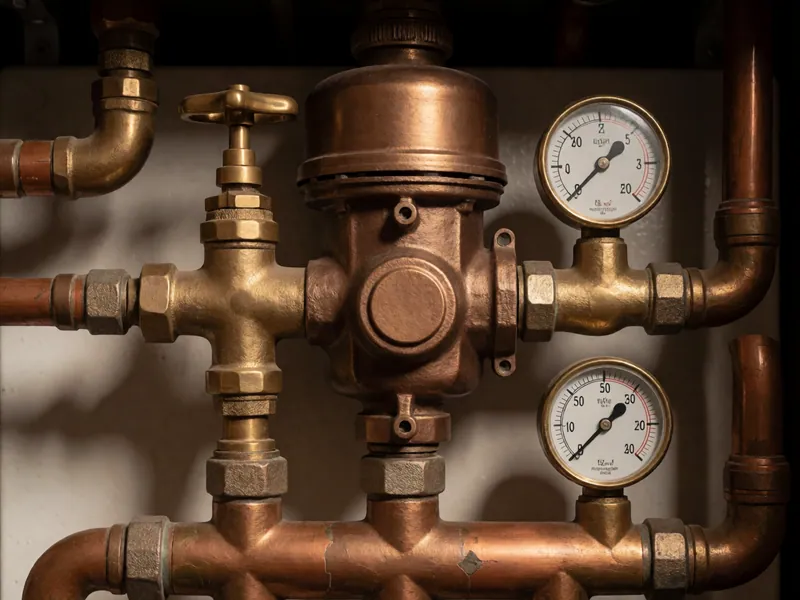
Heating
Boilers & Steam Heat
Steam and hot-water boilers, radiators and the century-old distribution that heats half of this neighbourhood — serviced by people who understand it.
Read more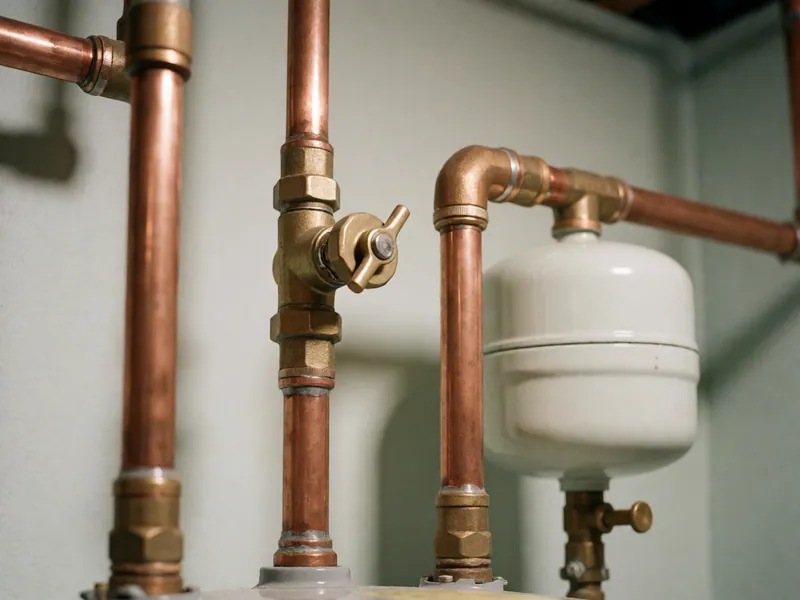
Heating
Water Heaters
Tank and tankless water heaters installed, repaired and replaced — including the orphaned-flue problem a furnace upgrade leaves behind.
Read moreSame-day service in most cases
Book a visit, or call the 24-hour line
Tell us what the system is doing and we will tell you honestly whether it needs somebody tonight or whether it will keep until the morning. Diagnostics are $119 and credited in full against any repair you approve.