No heat or no cooling right now? The emergency line is answered by a person, 24 hours a day, every day of the year. Call 000-000-0000
This is the corner of the trade with the worst reputation, and deservedly. Photographs of somebody else's filthy duct, a scary word about mould and a four-figure quote is a sales technique, not a diagnosis. We do not work that way.
The honest sequence is measure, then decide. Particulates, humidity, carbon dioxide as a proxy for how well the space is actually ventilated, and a look at the equipment and the duct. Sometimes the answer is a better filter and a bathroom fan that works. Sometimes it is more. You will know which before you spend anything.
The three levers, in order
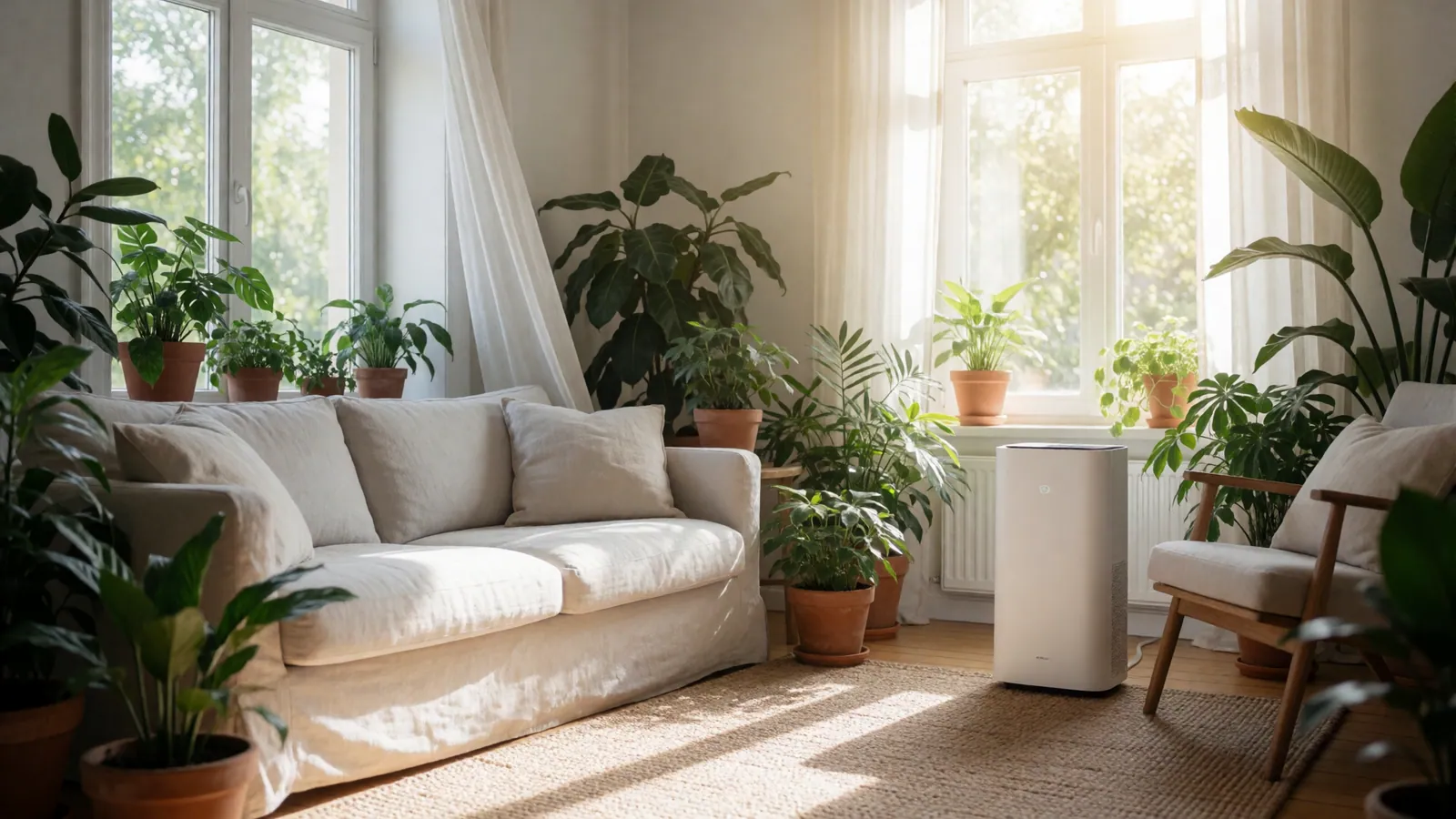
Air quality is filtration, ventilation and humidity. Almost every problem is one of those three, and they are not interchangeable.
Filtration — take particles out
A properly sized media filter cabinet holds a deep pleated filter that captures far more than a one-inch panel and adds less resistance. Cramming a high-MERV one-inch filter into a slot designed for a cheap one strangles the airflow and does more harm than good.
Ventilation — bring fresh air in
Modern tight houses need mechanical fresh air. An energy or heat recovery ventilator brings outside air in and reclaims most of the heating or cooling energy from the air it exhausts.
Humidity — keep it between forty and fifty percent
Too dry and you get static, cracked woodwork and irritated sinuses. Too damp and you get mould and dust mites. Whole-house humidifiers and dehumidifiers both tie into the ducted system.
Source control — the free one
Extract fans that actually vent outside, a range hood that is ducted rather than recirculating, and a dryer vented properly. We check these first because they cost nothing to fix and they matter more than any purifier.
What we install
Chosen against what the measurements showed, and always sized so the airflow the system needs is still there afterwards.
Media filter cabinets
Four- to five-inch deep pleated media in a properly sized cabinet. The single best value upgrade in this category, and it lasts six to twelve months per filter.
Energy and heat recovery ventilators
Balanced fresh air with heat recovery. The right answer for tight apartments, new construction and anywhere the CO2 readings say the space is not breathing.
Whole-house humidifiers
Bypass or steam, tied to the ducted system and controlled by outdoor temperature so you do not condense water on the windows.
Whole-house dehumidifiers
For basements and for houses where the summer humidity stays high even when the cooling is running properly.
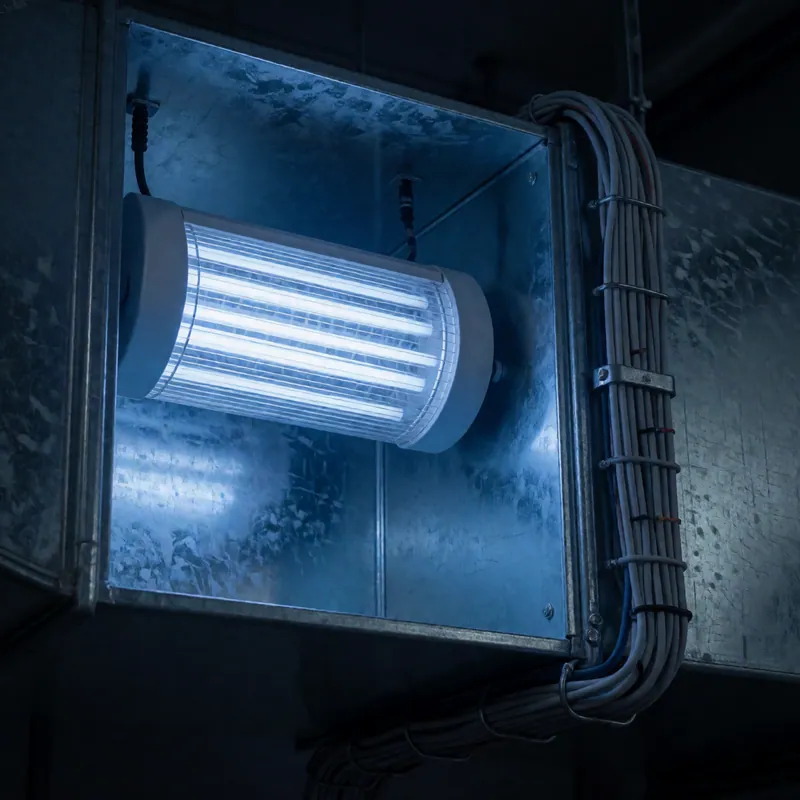
UV and photocatalytic systems
Effective on coil biofilm, which is a real and measurable benefit. We will not claim more than that for them.
Duct sealing and hygiene
Sealing leaky duct in unconditioned space does more for air quality than most air cleaners, because it stops attic and crawlspace air being pulled into what you breathe.
On duct cleaning, honestly
The most oversold service in this industry, so here is where we actually stand.
When it is genuinely worth doing
After construction or renovation work, after a rodent or insect infestation, after water damage or visible mould growth, or when there is genuinely visible debris blowing out of the registers.
When it is not
As an annual ritual on a dry, sealed system with a decent filter. There is no good evidence it improves air quality in that case, and we will not sell it to you.
What matters far more
Sealing the duct. A leaky return in a dusty crawlspace pulls unfiltered air into the system continuously; cleaning it once a year does not change that.
If we do clean it
Negative-pressure source removal with mechanical agitation, register by register — not a shop vacuum at the grille and a photograph for the invoice.
Questions
Indoor Air Quality — the questions we are asked most
Do air purifiers actually work?
A properly sized deep media filter in the ducted system genuinely reduces airborne particulates, and that is measurable. UV systems genuinely keep the evaporator coil clean. Beyond that, claims get vaguer fast, and we would rather sell you the two things that work than the five that sound impressive.
How often should I have my air ducts cleaned?
Far less often than the industry advertises. It is worth doing after renovation work, after pests, or after water damage or visible mould. On a sealed, dry system with a decent filter there is no good evidence that routine cleaning improves anything, and we will tell you so.
What MERV filter should I use?
The highest rating your system can handle without strangling the airflow — which for a one-inch slot is usually MERV 8 to 11. If you want genuinely high filtration, the right answer is a four- or five-inch media cabinet, not a thicker filter jammed into a thin slot.
What humidity should I keep my house at?
Between forty and fifty percent. Below thirty you get static, cracked woodwork and dry sinuses; above sixty you are growing mould and dust mites. In a New York winter, holding forty percent usually needs a humidifier; in August it usually needs the cooling system to be running long enough to dehumidify.
My house is dusty no matter how often I clean. Why?
Most often leaky return ductwork in a basement, crawlspace or attic, pulling unfiltered air straight into the system. Sealing the return usually does more than any filter upgrade. A badly fitting filter that lets air bypass around the frame is the other common culprit.
Can you help with allergies or asthma?
We can reduce airborne particulates, control humidity and improve ventilation, all of which are commonly recommended alongside medical treatment. We are HVAC contractors, not clinicians, and we will not claim our equipment treats a condition.
Related
Often needed alongside this
Service & Care
Maintenance Agreements
A planned-maintenance contract that puts you at the front of the queue, drops the diagnostic fee and cuts every repair bill for the life of the agreement.
Read more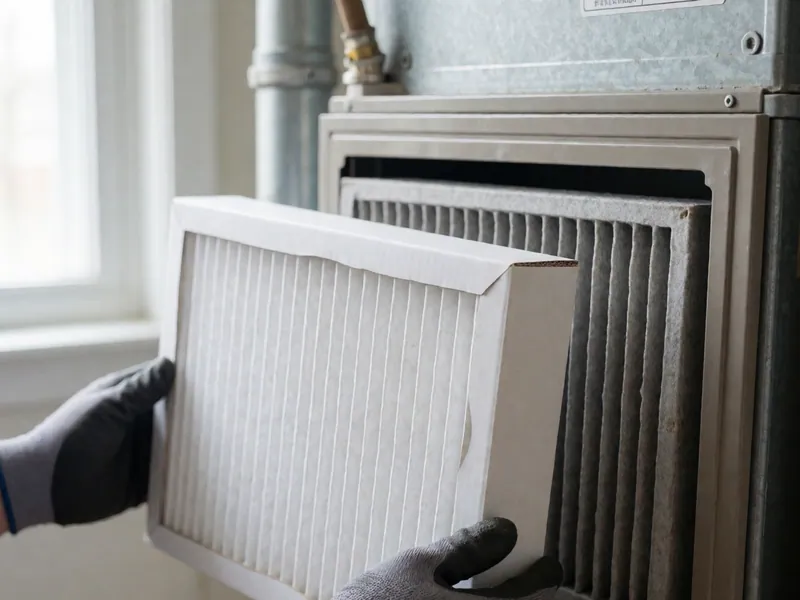
Service & Care
Seasonal Tune-Ups
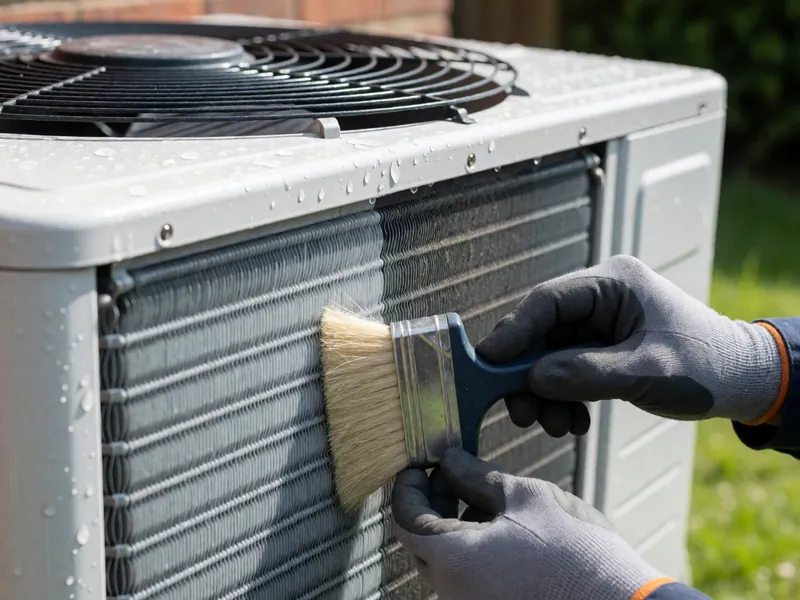
A real spring and autumn service — measured readings, cleaned coils and a written report, not a twenty-minute look and a sticker.
Read more
Service & Care
24/7 Emergency Service
No heat, no cooling, water coming through a ceiling or a carbon monoxide alarm — answered by a person, any hour, every day of the year.
Read moreSame-day service in most cases
Book a visit, or call the 24-hour line
Tell us what the system is doing and we will tell you honestly whether it needs somebody tonight or whether it will keep until the morning. Diagnostics are $119 and credited in full against any repair you approve.