No heat or no cooling right now? The emergency line is answered by a person, 24 hours a day, every day of the year. Call 000-000-0000
There is a version of this service that costs twenty-nine dollars, takes twenty minutes, and exists to get somebody into your basement with a replacement quote. There is another version that takes an hour and a half, produces a page of measured figures, and occasionally finds a cracked heat exchanger. They have the same name and they are not the same thing.
We do the second one. The most useful part is not any single reading; it is the comparison with last year's readings, which is how you see a capacitor drifting or static pressure creeping up long before anything actually fails.
The spring cooling service
Booked from March through May, before the first genuinely hot week fills the schedule.
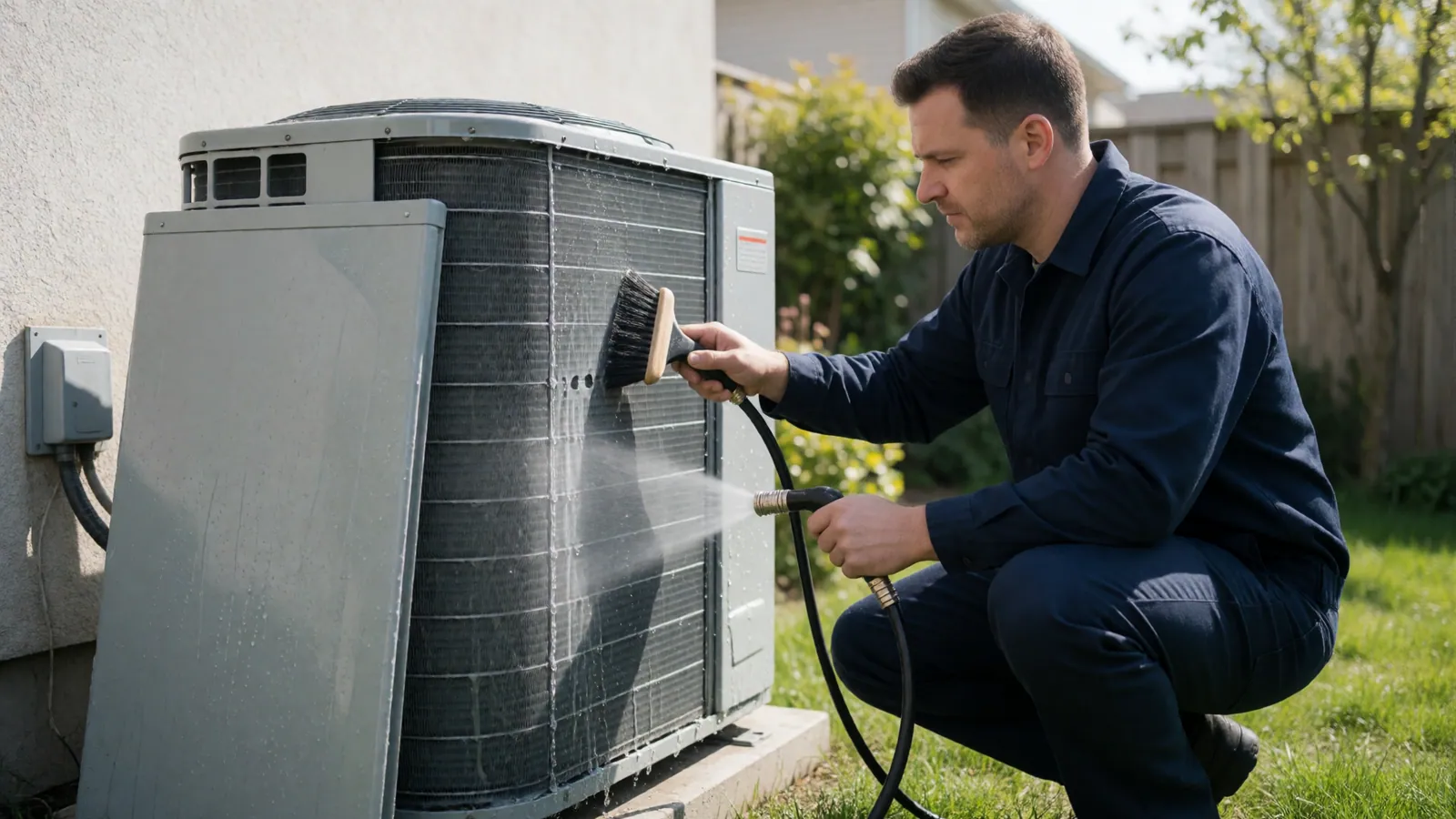
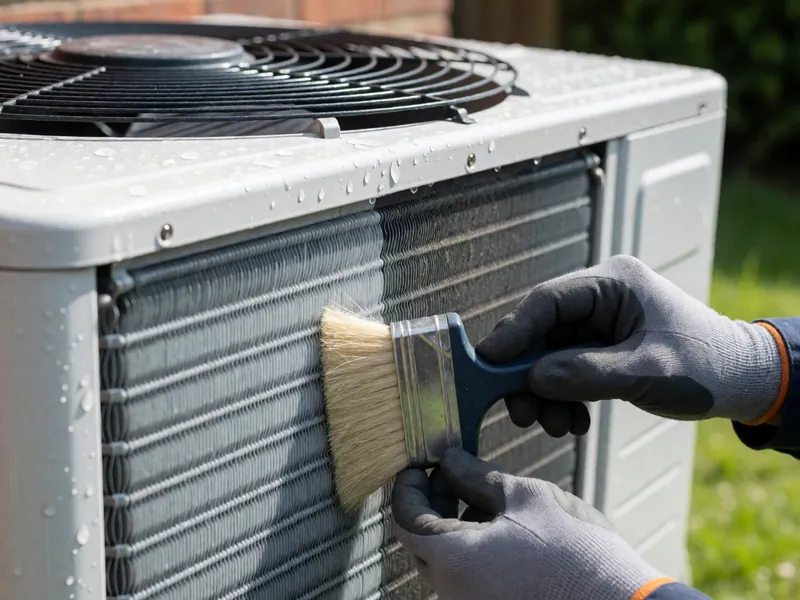
Condenser coil cleaned properly
Washed through from the inside out, not sprayed at from the garden. A dirty coil raises head pressure, costs you efficiency and shortens compressor life.
Refrigerant charge verified by measurement
Superheat and subcooling against design conditions. If the charge is low we look for the leak rather than topping it up and leaving.
Electrical checked under load
Capacitor microfarads against rating, contactor condition, compressor and fan amp draw, connections torqued.
Evaporator coil and blower
Inspected and cleaned where accessible. A dust-loaded blower wheel can cost a third of your airflow.
Condensate system
Drain flushed, trap cleared, float switch tested, pan checked. This is the difference between a working safety and a ceiling stain.
Airflow and temperature split
Static pressure and supply-to-return temperature difference measured and recorded.
The autumn heating service
Booked from September through November. Do not wait for the first cold night — that is the week the whole neighbourhood calls.
Combustion analysis
Flue gas measured with an analyser, gas pressure verified, burners cleaned. The single most important thing that happens on this visit.
Heat exchanger inspection
Visual and camera inspection for cracks and corrosion. If we find a problem you will see the picture, not just the invoice.
Ignition system
Flame sensor cleaned, ignitor resistance measured, flame signal recorded — the number that predicts next winter's no-heat call.
Venting and draught
Terminations clear, slope correct, draught proved, condensate trap and neutraliser serviced on condensing appliances.
Safeties tested
Limits, pressure switches, rollout switches and — on boilers — the low-water cutoff, tested rather than looked at.
Carbon monoxide check
Ambient CO measured in the plant room and in the living space. Non-negotiable on any appliance that burns fuel.
What you can do between visits
Four things, and the first one matters more than the other three together.
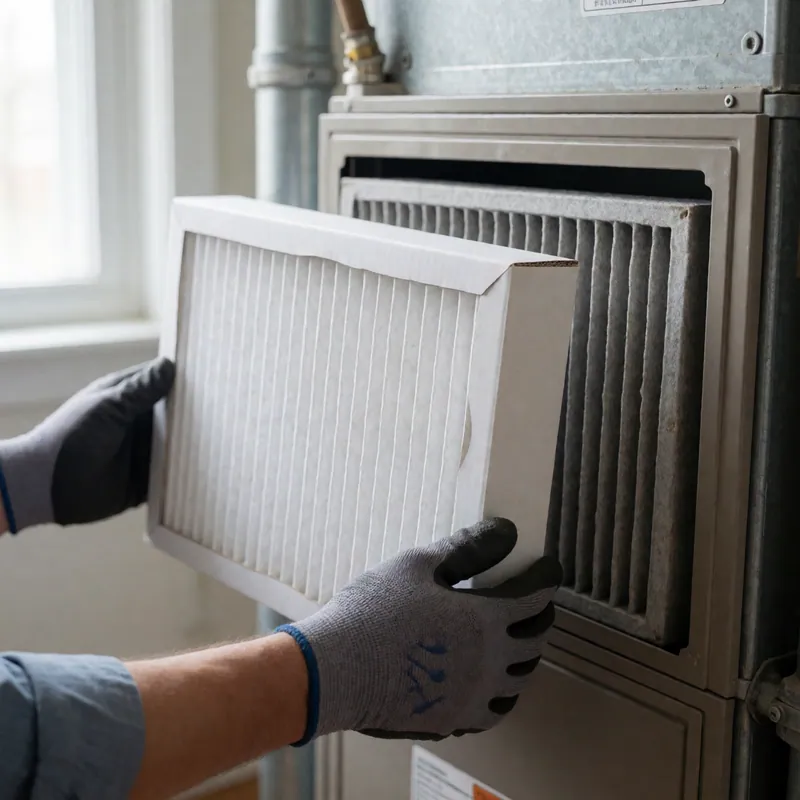
Change the filter
Every one to three months depending on the filter, pets and how much of the Boulevard blows in through the window. A blocked filter causes frozen coils in summer and overheated furnaces in winter.
Keep the outdoor unit clear
Two feet of clearance all round, no leaf drift against the coil, and in winter no snow or ice piled on it.
Pour a cup of water down the condensate drain in spring
It confirms the drain is running before the humid weather makes it matter.
Listen to it
New noises, longer run times or a system that suddenly cannot hold the set point are early warnings. Ring us while it is still cheap.
If you smell gas, leave the building and call your gas utility's emergency line from outside — do not operate switches on your way out. If a carbon monoxide alarm sounds, get everyone into fresh air and call 911 first. General guidance on this page is not a substitute for a licensed technician looking at your own equipment.
Questions
Seasonal Tune-Ups — the questions we are asked most
When should I book my AC tune-up?
March to May. By the first genuinely hot week the schedule is full of breakdowns, and a tune-up booked in June often becomes a repair. The autumn heating service is best booked between September and November for exactly the same reason.
What is included in an HVAC tune-up?
On cooling: coil cleaning, measured refrigerant performance, electrical testing under load, condensate service and airflow measurement. On heating: combustion analysis, heat exchanger inspection, ignition system, venting, safety testing and a carbon monoxide check. Both end with a written report of the actual readings.
How long does a tune-up take?
Sixty to ninety minutes per system, done properly. If someone is in and out in twenty minutes they have not measured anything, and measurement is the entire value of the visit.
Does a tune-up actually save money?
It reduces the running cost — a fouled condenser coil alone can cost you a tenth of your cooling efficiency — but the real saving is the failures it catches. A capacitor replaced in April during a scheduled visit costs a fraction of the same part fitted at 9pm on the first ninety-degree Saturday.
How often should I change my air filter?
Every one to three months for a standard pleated filter, more often with pets or with windows open onto a busy street. It is the cheapest and most neglected thing you can do for the system, and a blocked filter is behind a large share of the calls we attend.
Do I need a tune-up if the system seems fine?
That is exactly when it is worth doing. Nothing on an HVAC system announces that it is about to fail — it is measured drift, and you only see drift if somebody was measuring last year too.
Related
Often needed alongside this
Service & Care
Maintenance Agreements
A planned-maintenance contract that puts you at the front of the queue, drops the diagnostic fee and cuts every repair bill for the life of the agreement.
Read more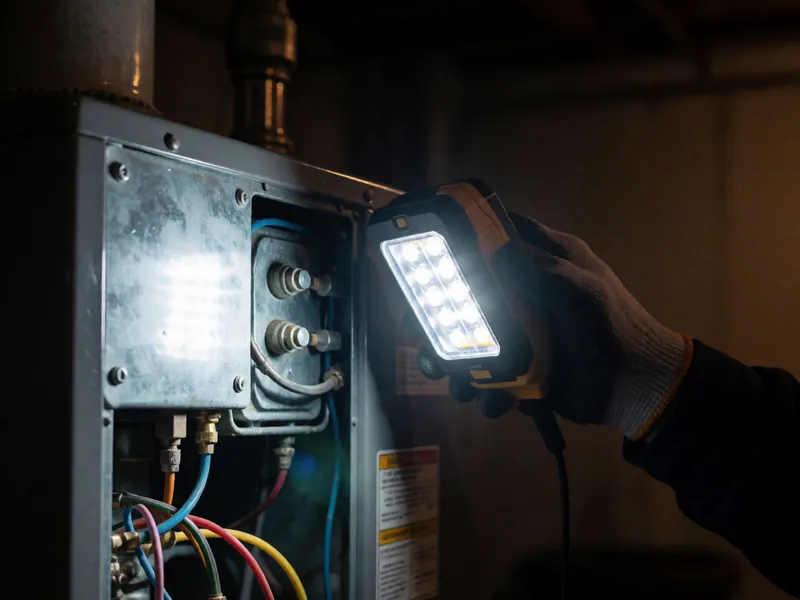
Service & Care
24/7 Emergency Service
No heat, no cooling, water coming through a ceiling or a carbon monoxide alarm — answered by a person, any hour, every day of the year.
Read more
Service & Care
Indoor Air Quality
Filtration, ventilation and humidity control for a neighbourhood with a highway through it — measured first, then fixed.
Read moreSame-day service in most cases
Book a visit, or call the 24-hour line
Tell us what the system is doing and we will tell you honestly whether it needs somebody tonight or whether it will keep until the morning. Diagnostics are $119 and credited in full against any repair you approve.